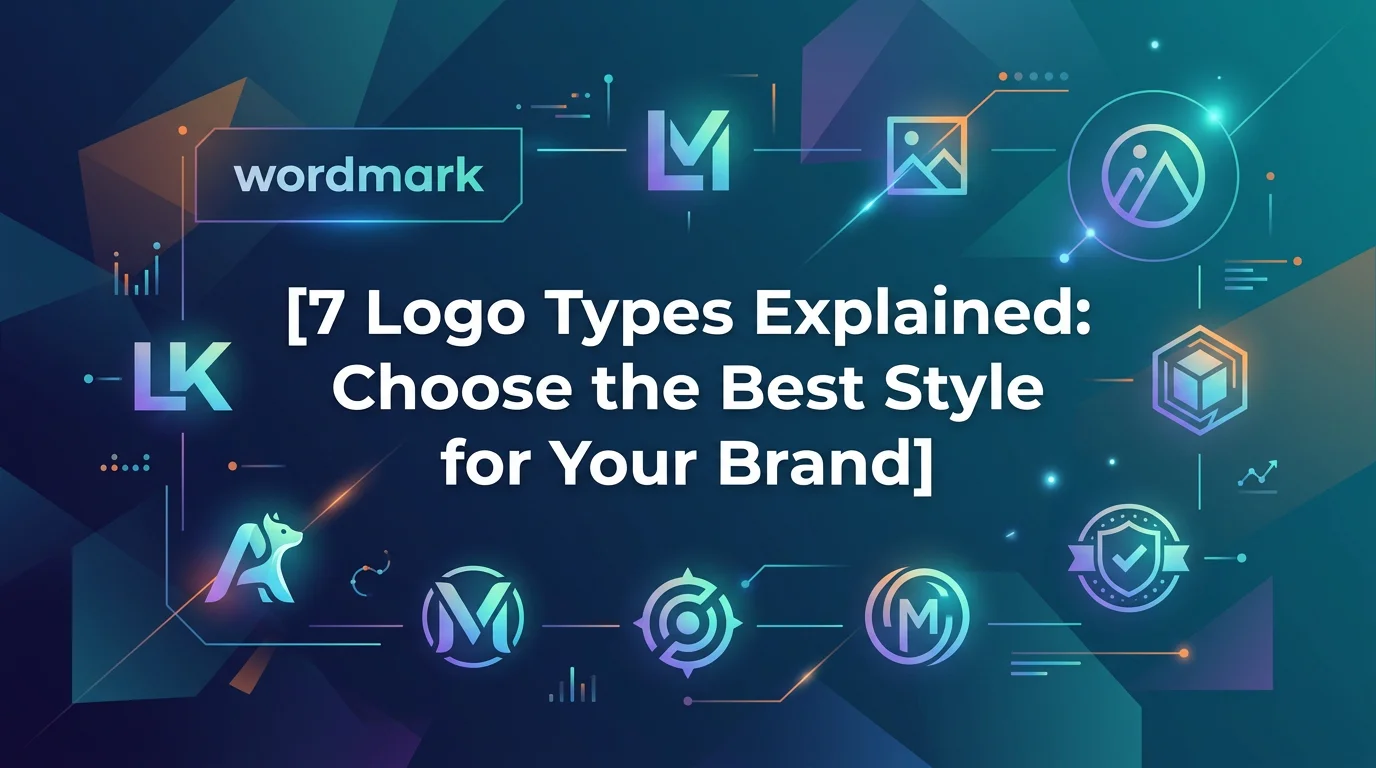
There are seven main logo types used by modern brands: wordmark, lettermark, brandmark, combination mark, emblem, abstract logo mark, and mascot logo. Each logo style serves a different purpose depending on brand identity, industry, and marketing strategy. Choosing the right logo type helps businesses build recognition, trust, and a strong visual presence.
A logo is often the first impression a brand makes. It appears on websites, social media, packaging, and marketing materials. Because of this, selecting the right logo type is essential for creating a memorable and recognizable brand identity.
At California Web Coders, logo design is not just about visuals. It is about strategy, clarity, and long term brand growth. Understanding the different logo styles helps businesses choose the design that aligns with their brand personality and target audience.
Why Choosing the Right Logo Type Matters
A logo is more than a graphic. It communicates what your brand stands for.
The right logo can help your business:
- Build instant recognition
- Improve brand credibility
- Support marketing consistency
- Make your website and digital presence look professional
For startups and growing companies, choosing the right logo style can influence how customers perceive the brand.
The 7 Types of Logos Every Brand Should Know
Below are the seven most widely used logo types used by successful brands around the world.
1. Wordmark Logos
A wordmark logo is based entirely on the company name written in a distinctive font.
Key Characteristics
- Focuses on typography
- Clean and simple design
- Ideal for brands with unique names
Examples include Google, Coca Cola, and Visa.
This logo type works well when a brand name is short and memorable. The typography becomes the visual identity.
When to Choose a Wordmark
Choose a wordmark if your brand name is distinctive and you want customers to remember the name itself.
Businesses launching a new website often use this style because it helps improve brand recall and search recognition.
2. Lettermark Logos
A lettermark logo uses initials or abbreviations instead of the full company name.
Key Characteristics
- Uses brand initials
- Clean and minimal design
- Works well for long business names
Examples include IBM, HBO, and CNN.
When to Choose a Lettermark
This logo type is perfect for businesses with long names that would look cluttered in a full wordmark.
For example, a company like California Web Coders could potentially use CWC in certain branding assets.
Lettermarks are often paired with strong typography to create a modern, professional look.
3. Brandmark Logos
A brandmark logo, also known as a pictorial mark, uses a symbol or icon instead of text.
Key Characteristics
- Uses a recognizable visual symbol
- Minimal or no text
- Highly memorable once established
Examples include Apple and Twitter.
When to Choose a Brandmark
Brandmarks work best for companies that already have strong recognition or a powerful marketing strategy.
Startups can still use them, but they usually combine them with text until brand awareness grows.
4. Combination Mark Logos
A combination mark blends a symbol with a wordmark or lettermark.
Key Characteristics
- Text and icon combined
- Highly flexible for branding
- Easy to scale across digital platforms
Examples include Adidas, Burger King, and Lacoste.
When to Choose a Combination Mark
Combination logos are one of the most popular choices for modern businesses.
They offer flexibility. Brands can use the full logo on websites and marketing materials while using only the icon on social media or mobile apps.
For many businesses, this is the most practical logo style for digital branding.
5. Emblem Logos
An emblem logo places text inside a symbol, badge, or crest.
Key Characteristics
- Classic and traditional appearance
- Often includes badges or shields
- Common in institutions and heritage brands
Examples include Harley Davidson and Starbucks.
When to Choose an Emblem Logo
Emblems work well for organizations that want to appear established, traditional, or prestigious.
They are often used by universities, government organizations, and luxury brands.
However, emblem logos must be carefully designed to remain clear at smaller sizes on websites and mobile screens.
6. Abstract Logo Marks
An abstract logo mark uses a unique geometric symbol rather than a literal image.
Key Characteristics
- Unique and modern visual symbol
- Highly brandable
- Flexible across marketing platforms
Examples include Nike and Pepsi.
When to Choose an Abstract Logo
Abstract logos are ideal for companies that want a completely unique identity.
Because the symbol does not represent a literal object, the brand has more creative freedom to build meaning around the design.
This style is especially popular among technology companies and digital brands.
7. Mascot Logos
A mascot logo uses a character or illustrated figure to represent the brand.
Key Characteristics
- Friendly and engaging personality
- Great for storytelling and marketing
- Works well for family focused brands
Examples include KFC and Pringles.
When to Choose a Mascot Logo
Mascots are ideal for brands that want to create an emotional connection with their audience.
They are often used by food brands, sports teams, and entertainment companies.
Mascot logos are highly memorable and perform well in social media marketing.
How to Choose the Best Logo Type for Your Brand
Choosing the right logo type depends on several factors. Every business has different branding goals.
Consider these questions before finalizing your design:
1. What Is Your Brand Personality
Is your brand modern, playful, professional, or traditional?
For example:
- Tech startups often prefer abstract or combination logos
- Corporate companies may choose wordmarks or lettermarks
2. Where Will Your Logo Be Used
Your logo should work across all digital platforms.
It must look clear on:
- Websites
- Social media profiles
- Mobile apps
- Business cards
- Marketing materials
3. Is Your Brand Name Long or Short
Long names often work better with lettermarks, while shorter names can shine with wordmarks.
4. Do You Want a Symbol or Just Text
Some businesses want a recognizable icon that can become their visual identity.
In this case, brandmarks or abstract logos can be powerful branding tools.
Logo Design Trends Businesses Are Following Today
Modern brands are moving toward cleaner and more versatile logo designs.
Some of the most popular trends include:
- Minimalist logo design
- Responsive logos that adapt to screen sizes
- Bold typography
- Simple geometric symbols
- Icon first branding for mobile apps
These trends are shaping how businesses approach visual branding in the digital era.
Why Professional Logo Design Matters
A poorly designed logo can hurt a brand's credibility.
Professional logo design ensures:
- Scalability across devices
- Clear visual hierarchy
- Strong brand recognition
- Consistency across digital marketing channels
At California Web Coders, designers combine branding strategy with modern design principles to create logos that perform well online and offline.
Final Thoughts
Understanding the seven types of logos helps businesses choose the design that best represents their brand.
Each logo style offers unique advantages, from the simplicity of wordmarks to the creativity of abstract symbols and the personality of mascot logos.
The best logo is not just visually appealing. It aligns with your brand identity, works across digital platforms, and helps customers instantly recognize your business.
If you are launching a new brand or refreshing your current identity, selecting the right logo type is the first step toward building a strong and memorable brand presence.